
Journal · 16 Jun 2026 · 5 min read
Choosing the Right Substrate for Your Branded Merchandise
By Kwai Lekr Studio
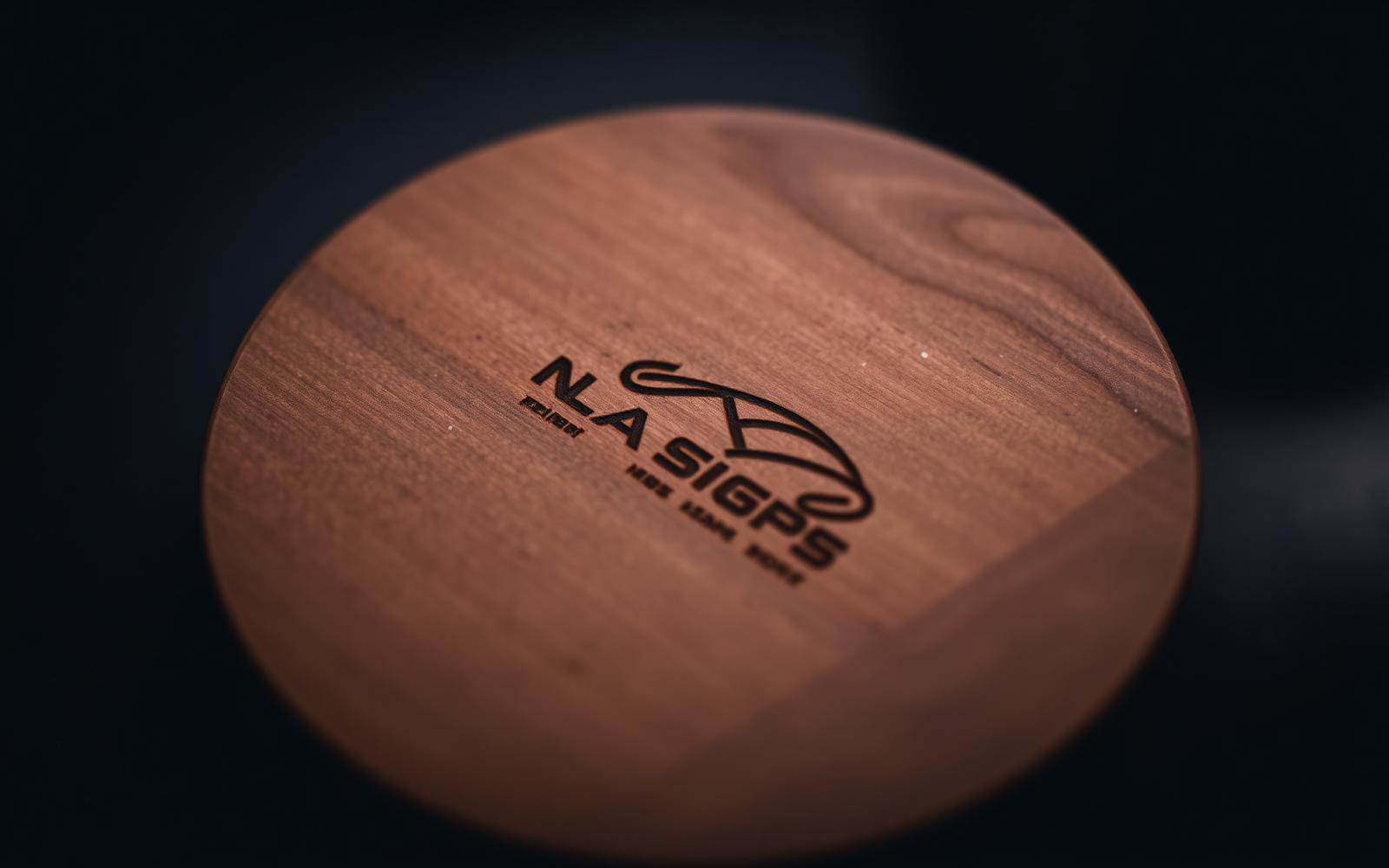
The material carries the mark. A quick reference on choosing between cotton, poly-blend, leather, steel, wood and cork for branded items.
Choosing the Right Substrate
The substrate you print on carries the perception of the brand as much as the logo itself. This is a short reference for the six materials that make up 90% of our production.
Cotton - Best for: t-shirts, totes, aprons, bandanas. - Decoration: screen print, DTF, embroidery. - Notes: shrinks 3-5% on first wash — factor this into placement.
Poly / poly-blend - Best for: sports jerseys, softshell jackets, quick-dry tees. - Decoration: sublimation (100% poly only), DTF, embroidery. - Notes: avoid heat-transfer vinyl on high-poly — dye migration will ghost the design.
Leather (real or PU) - Best for: cardholders, notebook covers, keyrings, luggage tags. - Decoration: deboss, laser, foil. - Notes: real leather scars beautifully with laser; PU melts if the power is too high — send a swatch first.
Steel & aluminium - Best for: bottles, tumblers, pens, keyrings. - Decoration: laser (tonal), UV print (full colour). - Notes: brushed finish reads more premium than mirror-polished under decoration.
Wood - Best for: coasters, cutting boards, display blocks, presentation boxes. - Decoration: laser is the only serious option — the burn is the design. - Notes: grain varies — every unit will be slightly unique.
Cork - Best for: coasters, notebook covers, pouches, mouse pads. - Decoration: laser, screen print. - Notes: sustainable-story friendly; darker cork requires higher-contrast artwork.
AI Deep Dive
substratematerialsreference