Journal · 06 Jul 2026 · 6 min read
Embroidery vs Laser Etching: which finish suits your brand
By Kwai Lekr Studio
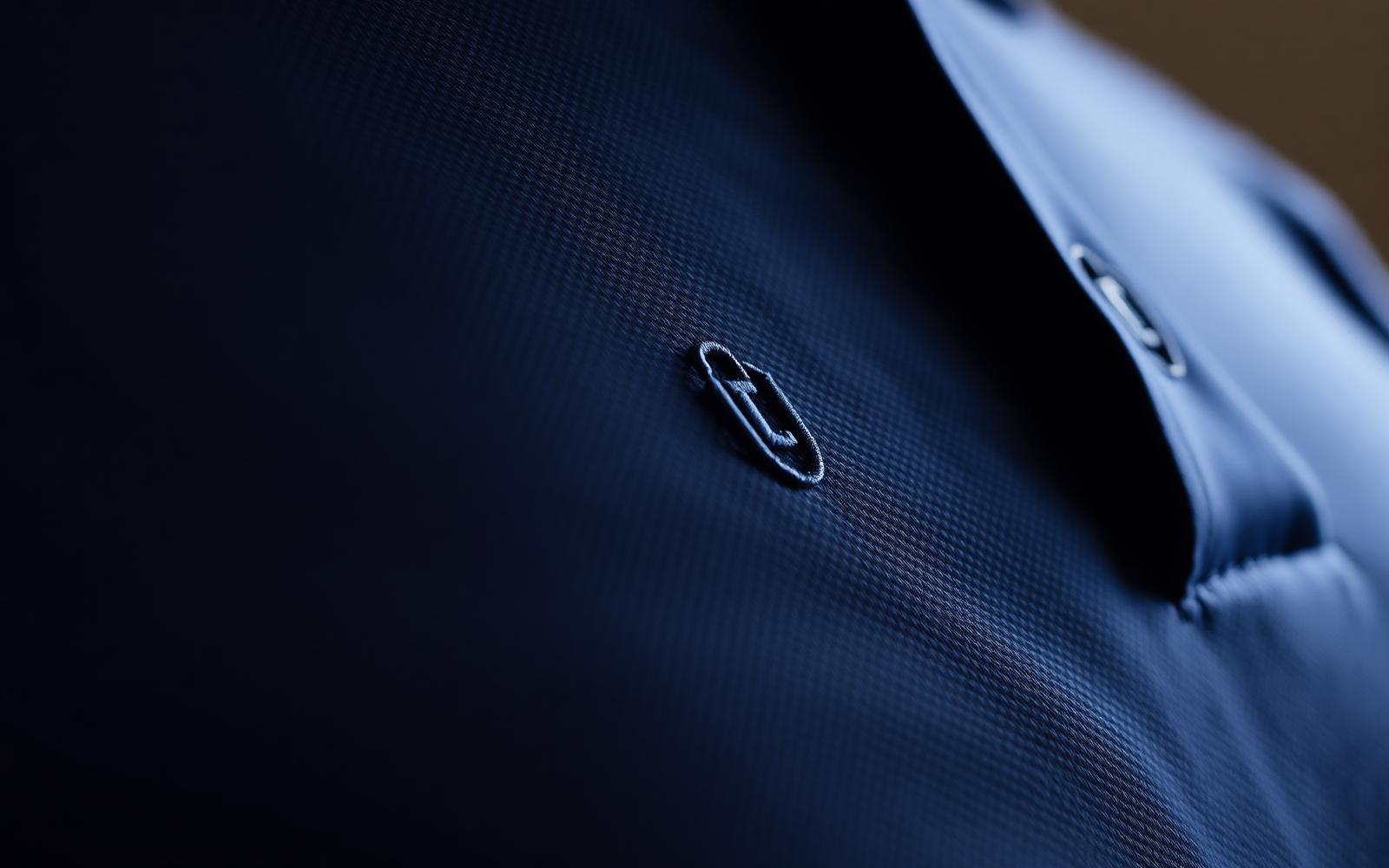
A side-by-side technical guide comparing thread count, substrate behaviour, cost per unit and perceived value across our two most-requested finishing methods.
Embroidery vs Laser Etching
Both are premium, both are permanent — but they solve very different briefs. This guide walks through substrate suitability, minimum legible logo size, cost per unit at scale and the perceived-value cues each technique carries.
When embroidery wins - Textiles with structure: pique polos, softshells, caps, structured aprons. - Logos with two to six flat colours and no fine gradient work. - Brands that want a tactile, three-dimensional badge — the thread lift is the point.
When laser etching wins - Hard goods: wood, leather, brushed steel, anodised aluminium, cork. - Single-colour marks, monograms and typographic wordmarks. - Programmes where a tone-on-tone, understated finish reads as more premium than colour.
Cost per unit Embroidery scales on stitch count, not run length — a 6,000-stitch chest badge stays roughly flat from unit 50 to unit 5,000. Laser scales on machine time, so etching a mug takes the same seconds whether the run is 20 or 2,000.
Minimum legible size - Embroidery: 5mm minimum stroke width; text under 4mm loses definition. - Laser: 0.3mm stroke width holds crisply; ideal for detailed monograms.
What we recommend by category | Product | First choice | |---|---| | Polo shirts | Embroidery | | Softshell jackets | Embroidery | | Caps | Embroidery | | Wooden coasters | Laser | | Leather cardholders | Laser (or blind deboss) | | Steel bottles | Laser | | Notebooks (PU cover) | Deboss or laser |
Still unsure? Send us the artwork and the product list and we'll return a decorated-sample photograph for each option before you commit to a run.
AI Deep Dive
embroiderylaser etchingtechnical guidedecoration